Some links are affiliate links — if you buy through them we may earn a commission, at no extra cost to you. See our disclosure policy.
A great profile picture does a lot of heavy lifting — it's the first thing people see on LinkedIn, X, your website, everywhere. But booking a photographer is pricey, and if you're a bit camera-shy (guilty 🙋), it's no fun either. The good news: the best AI profile picture generators now turn a few selfies into polished, professional pics in minutes.
I've tested a whole bunch of them — free and paid — so you can pick the right one for a LinkedIn headshot, a social avatar, or just a fresh look.
The 8 Best AI Profile Picture Generators
1
Best Overall
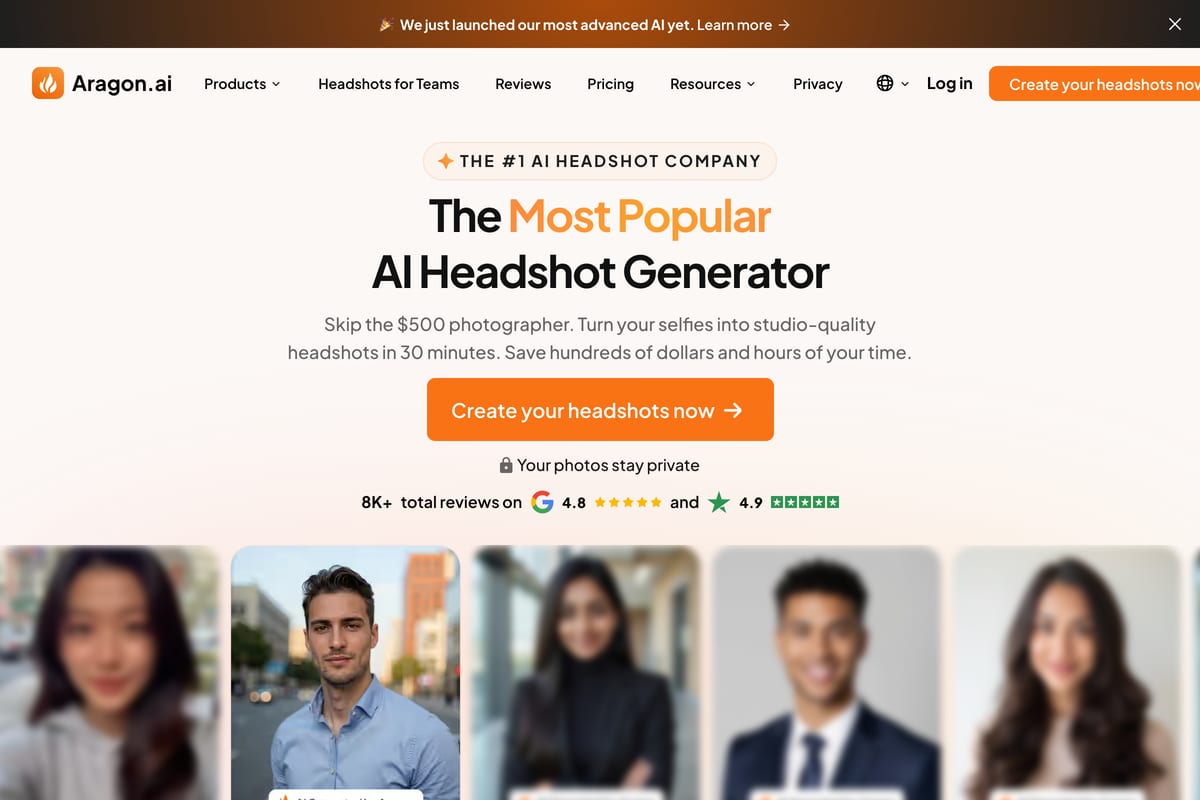
Aragon AI
Aragon is my top pick if you want headshots that actually look like a photographer took them — not an AI. Upload a handful of selfies, it trains on your face, and turns out studio-style shots with loads of backgrounds and outfits. It's the one I'd point most people to for a LinkedIn-ready photo.
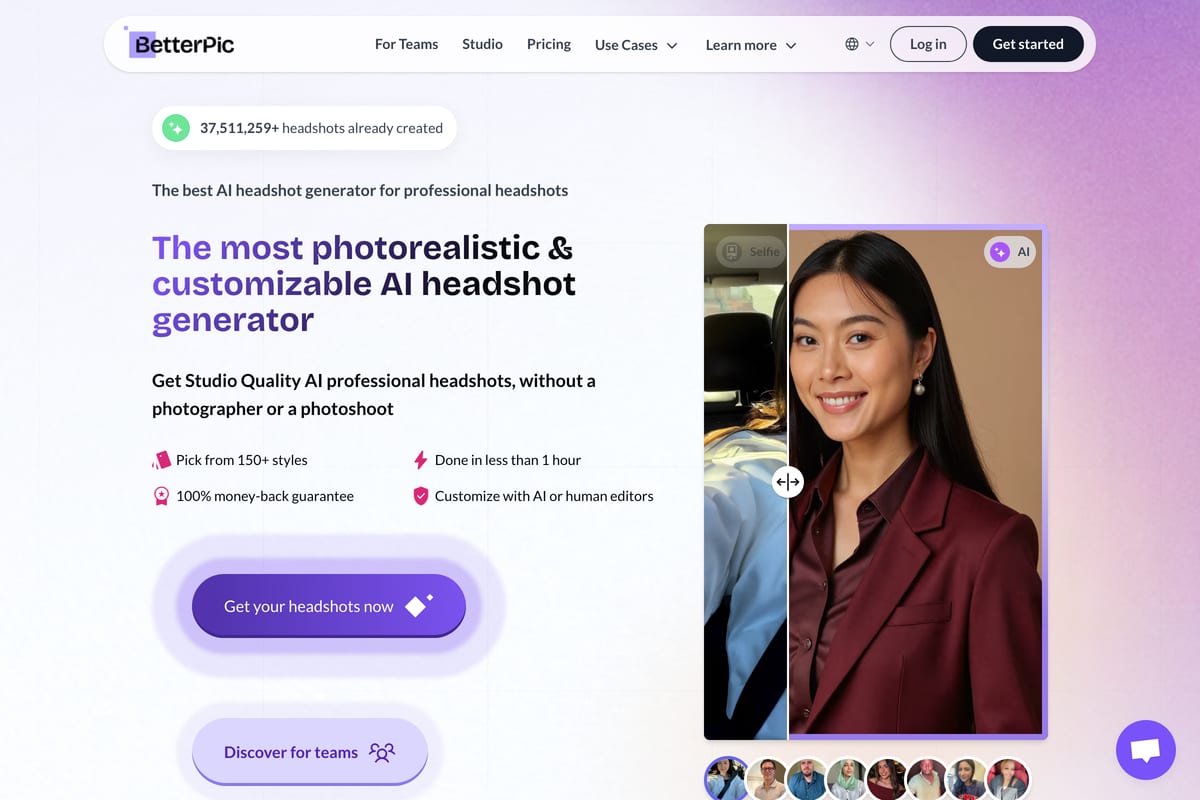
BetterPic's party trick is resolution: you get 4K headshots on every plan, even the cheapest — most rivals charge extra for that. Pair that with 100+ styles and genuinely realistic output, and it's the one to beat for print, big website images, or just a crisp profile shot. Higher tiers even add a human editor to catch the details AI misses.
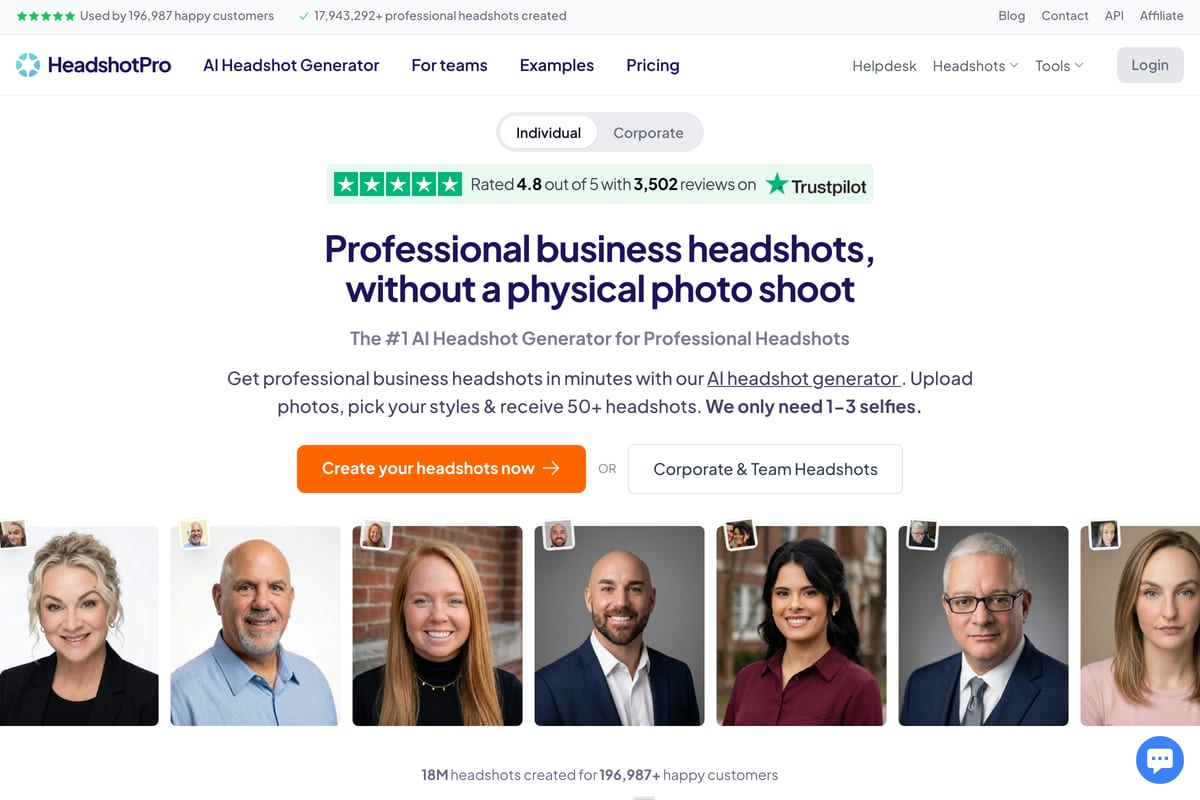
If you need matching headshots for a whole team, HeadshotPro is built for it — it's even used by Fortune 500 companies. Upload 12–20 selfies, pick your styles, and get a batch of clean, professional shots. Reliable, business-ready, and there's a refund if you don't get a usable photo.
Free and fast aren't always better. Some of my best results came from the paid tools that took their time and trained properly on my face. If the photo really matters, it's worth the few bucks.
4
Best Free & Quick
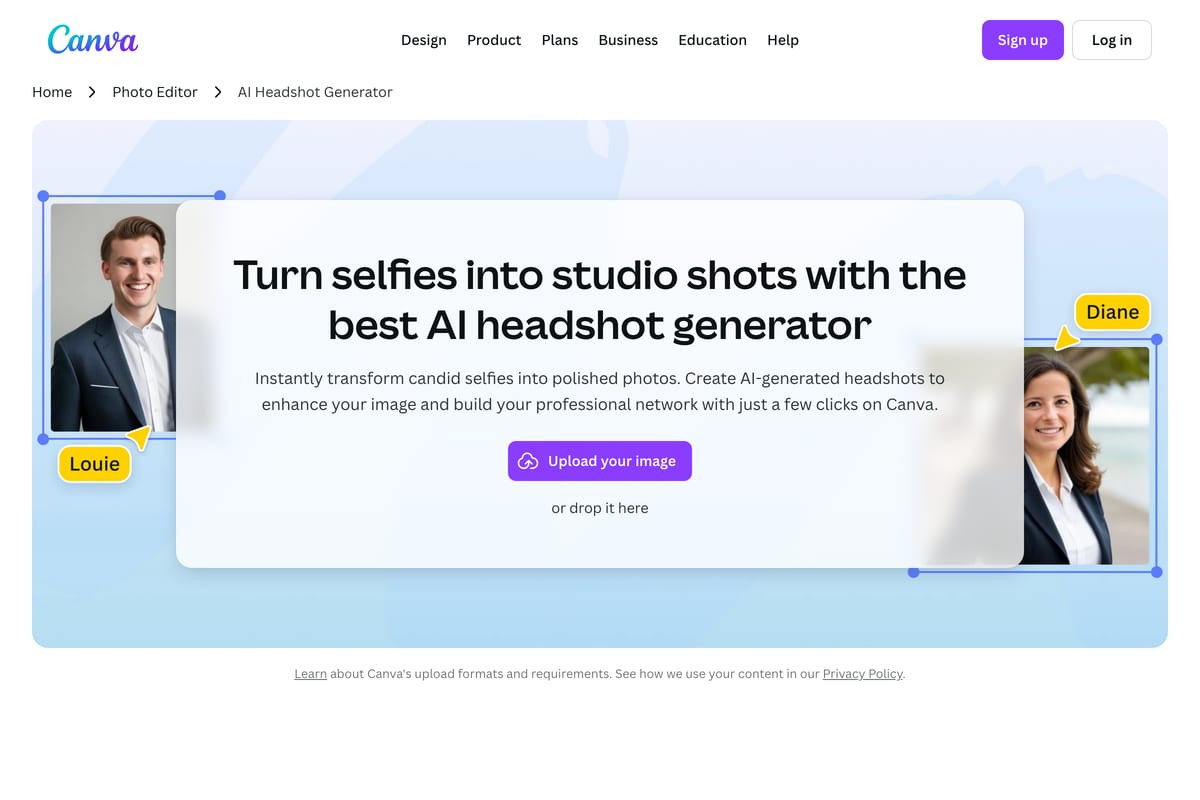
Canva AI Headshot Generator
If you already live in Canva, this is the easy win. A few clicks and you've got a tidy AI headshot you can drop straight into a banner or post. You get one free credit a day, with more on Canva Pro. It's not as razor-sharp as the dedicated tools, but for a quick, free refresh it's hard to beat.
The newcomer everyone's talking about. Google's Gemini image editing (nicknamed "Nano Banana") lets you upload a selfie and restyle it — cleaner background, better lighting, sharper outfit — right in the free Gemini app. No training, no payment, just describe the tweak you want. Brilliant for a quick, free glow-up.
Want full control? Inside ChatGPT you can describe your ideal profile pic in plain English and its image generator builds it — "headshot, navy blazer, soft studio lighting, neutral background." Great for ChatGPT users who want something specific without learning a new tool. Free accounts get limited image generations; heavier use needs ChatGPT Plus.
Pros
total creative control via prompt
no extra app
sharp realistic outputs
easy if you already use ChatGPT.
Cons
limited free image generation (Plus is ~$20/mo)
not a dedicated face-trainer so consistency varies.
Midjourney is the powerhouse for stylized, eye-catching images — think creative avatars, artistic portraits, or a distinctive brand look rather than a corporate headshot. It takes a bit of prompt practice, but the creative range is unmatched. Perfect if you want a profile pic with personality.
A bit of a cheat, but a good one: on Fiverr you can hire a freelancer to generate AI headshots for you, often from around $5. You hand over your photos and a real person does the work and the tweaking. Ideal if you'd rather not fiddle with tools yourself and want a human in the loop.
Prices and free tiers change fast — double-check each site before you buy.
Which One Should You Choose?
So which one should you actually use? It comes down to what you need:
- Most realistic LinkedIn headshot → Aragon AI
- Highest resolution and style choice → BetterPic
- Matching headshots for a team → HeadshotPro
- Quick and free → Canva or Google Gemini
- Something creative or an avatar → Midjourney
My honest take? If the photo matters — and on LinkedIn, it does — spend the few dollars on Aragon or BetterPic and get it right. For everything else, the free tools are more than good enough for a fresh look.
Tried one of these? Drop your favorite in the comments 👇 — and for more AI tool finds and free prompts, join the newsletter.
How AI profile picture generators work.
Here's the gist of it: you upload a handful of selfies, the tool studies your face, and then it spits out dozens (sometimes hundreds) of new images of you in different outfits, lighting, and backgrounds.
Behind the scenes it's training a mini AI-model on your face and then generating fresh photos from text prompts. It feels great when it gets it right -- and hilarious when it makes you look like a cheep knock-off of yourself.
The very short answer -- You feed it photos, you wait a bit , and you pick the ones that you like.
Headshot Generators FAQ.
Answers to all the questions I keep seeing about AI headshot generators — and which ones are actually any good. Whether you're building a professional brand or just need something better than a blurry selfie, we've tested the top options so you know what to expect.
What's the best free AI profile picture generator?
+
For a quick free option, Canva's AI Headshot Generator or Google Gemini (Nano Banana). Gemini is especially good for restyling a selfie you already have.
Which is best for a LinkedIn photo?
+
Aragon AI and BetterPic give the most natural, professional results. If budget's tight, Canva or Gemini will still do a solid job.
How many selfies do I need?
+
It varies — Aragon needs around 6, HeadshotPro wants 12–20. More good, well-lit photos from different angles means better results.
Are AI headshots worth it?
+
For most people, yes. You'll spend around $30 instead of $250 on a photographer and get dozens of options in under an hour.
Are AI-generated profile pictures actually worth it?
+
Yes — for a polished LinkedIn headshot or avatar when you can't book a real photographer, they're genuinely good value, but don't expect them to nail your face every time (a third were spot-on in my testing).